

What Is Digital Marketing and Why Use It | Complete Guide & Benefits
Introduction
In today’s fast-paced digital world, traditional marketing alone is no longer enough. Businesses of all sizes are turning to digital marketing to reach the right audience, increase sales, build brand awareness, and stay competitive.
This guide will explore what digital marketing is, the types, why businesses need it, and its key benefits.
What Is Digital Marketing?
Digital marketing refers to any form of marketing that uses digital channels, platforms, devices, and technologies to promote products, services, or brands to a target audience.
Simple Definition
Digital marketing is the practice of promoting brands, products, or services using digital media — such as search engines, websites, social media, email, and mobile apps — to connect with consumers.
Key Elements of Digital Marketing
- Online Presence: Marketing via the internet
- Measurable Results: Tracking performance and ROI
- Audience Targeting: Connecting with specific groups
- Interactive Experience: Two-way engagement with users
- Data-Driven Strategies: Decisions based on analytics

Why Is Digital Marketing Important?
- Shift in Consumer Behavior: Most people search online before buying anything.
- Cost-Effective and Measurable: Track clicks, conversions, and ROI easily.
- Better Targeting: Target specific demographics, interests, and behaviors.
- Increased Engagement: Direct interaction builds trust and loyalty.
- Compete With Bigger Brands: Even small businesses can gain visibility.
Types of Digital Marketing Channels
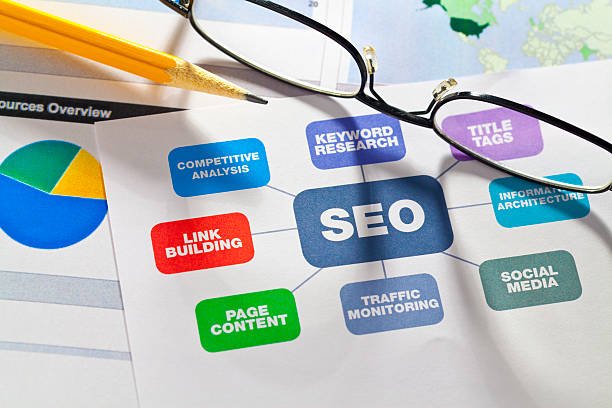
1. Search Engine Optimization (SEO)
SEO optimizes your website and content to appear higher in search results, increasing organic traffic, credibility, and visibility for target keywords.
2. Pay-Per-Click Advertising (PPC)
PPC allows advertisers to pay only when someone clicks on ads. Examples: Google Ads, Facebook Ads, Instagram Ads.
- Quick traffic
- Highly targeted campaigns
- Flexible budgets
- Measurable performance
3. Social Media Marketing
Promote products and build communities on platforms like Facebook, Instagram, Twitter, LinkedIn, TikTok, and YouTube.
4. Content Marketing
Content includes blogs, articles, videos, infographics, and podcasts to educate audiences, improve SEO, and support sales.
5. Email Marketing
Email allows direct communication with subscribers, offering personalized messages, automation, and high ROI.
6. Affiliate Marketing
Partners promote your products for a commission, expanding reach and driving performance-based sales.
7. Influencer Marketing
Influencers promote products on social platforms to reach niche audiences and build trust.
8. Online PR & Reputation Management
Includes press releases, media mentions, and managing brand reputation online.
Core Benefits of Digital Marketing
- Increases Brand Awareness: Targeted campaigns and consistent content help more people discover your brand.
- Drives More Qualified Traffic: Targeted visitors are more likely to convert into customers.
- Enhances Customer Engagement: Social media, email, and interactive content build stronger relationships.
- Improves Conversion Rates: Optimized campaigns increase sales and leads.
- Measurable Results and Analytics: Track impressions, CTR, conversions, and CPA.
- Better ROI: Cost-effective campaigns reduce waste and increase efficiency.
- Global Reach: Reach customers across countries without high costs.
- Builds Trust and Credibility: Consistent quality content establishes authority.
- Level Playing Field: Small businesses can compete with large brands.
- Personalized Marketing: Tailor messages for higher engagement and conversions.
Digital Marketing vs Traditional Marketing
| Feature | Digital Marketing | Traditional Marketing |
|---|---|---|
| Cost | Affordable & scalable | Often expensive |
| Targeting | Highly specific | Less precise |
| Measurable | Yes (analytics) | Hard to track |
| Engagement | Interactive | One-way communication |
| Speed | Fast results | Slower outcomes |
| Flexibility | Easy to adjust | Rigid once published |
Steps to Build a Digital Marketing Strategy
- Define Your Goals: Set clear objectives like increasing leads, sales, or brand awareness.
- Identify Your Audience: Research demographics, interests, and behavior.
- Choose the Right Channels: Select SEO, social media, email, or PPC based on audience and goals.
- Create Engaging Content: Solve problems, provide value, and optimize for search engines.
- Monitor and Analyze Performance: Use Google Analytics and insights to track campaigns.
- Optimize and Scale: Improve what works, pause what doesn’t, and scale successful campaigns.
Real-World Examples of Digital Marketing Success
- E-Commerce Store: SEO and social ads increased traffic by 120% and conversions by 65% in 6 months.
- Local Business: Google Business and social posts increased foot traffic and reservations.
- Service Provider: Content marketing (blogs and webinars) built authority and generated leads.
Common Digital Marketing Mistakes to Avoid
- Not targeting the right audience
- Ignoring mobile optimization
- Lack of measurement tools
- Posting inconsistent content
- Failing to update strategies
Conclusion
Digital marketing is a powerful and necessary component of modern business growth. It helps you connect with customers online, generate leads, increase brand awareness, and grow revenue. If your business is not yet using digital marketing, now is the time to start.
